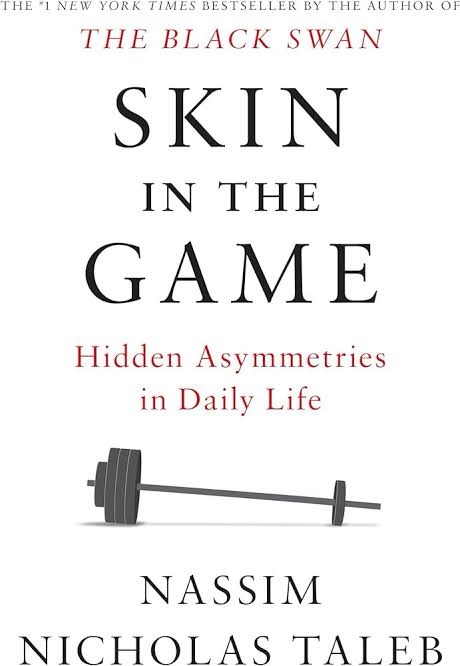
Great book by Taleb underpinning the act of advising or being an expert in a field without having skin in the game. Sell-side analysts, the self-proclaimed socio-economic experts, those who pretend to give you medicinal advise without having proper knowledge or education in medicine, are group of people I can think who do not have skin in the game. Taleb touches upon finance, economics, religion, psychology and other fields to differentiate between those who have skin in the game and those who don’t.

If you watched Christopher Nolan’s Interstellar (a movie) and liked it then you will like this book. Kip was awarded the Nobel prize in Physics his contribution in measuring the gravitational waves by building a LIGO facility. He was the advisor to Nolan for the movie. The books explains in layman’s terms some of the most advanced concepts in astrophysics which brings them to life. Being an amateur astronomer, I thoroughly enjoyed reading this book.

More about Apple than just “Apple in China”. If you know a lot about Apple then I would skip the first 20 chapters. Rest of the book highlights how China’s modern manufacturing prowess is built on Apple’s DNA!
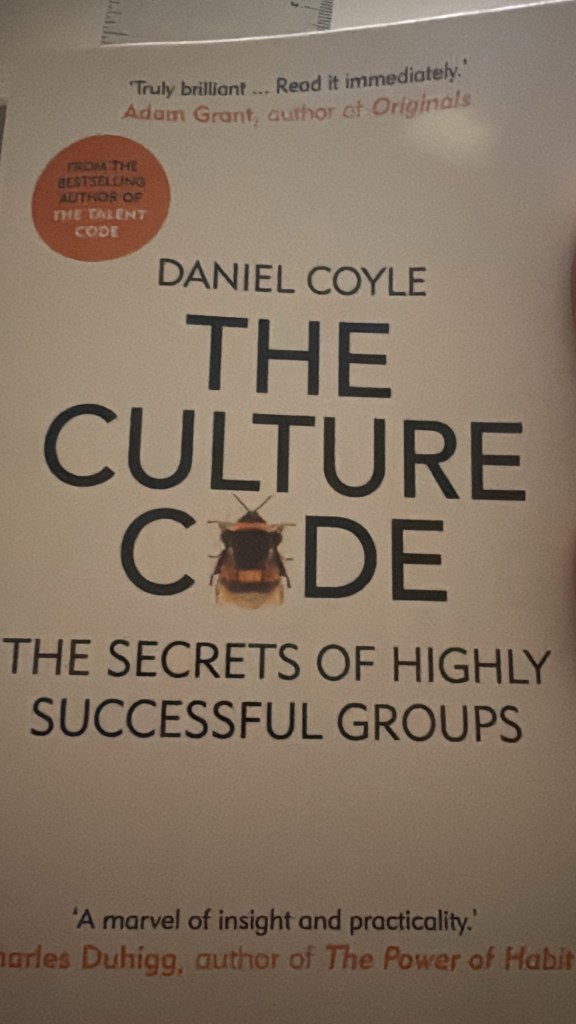
I have now worked across 6 different organisations in full-time or part-time roles in the last 27 years. They all talked about how good is their culture but none of them knew what it meant. None demonstrated a strong culture. Those want to know what it means to have a strong culture should read this book.
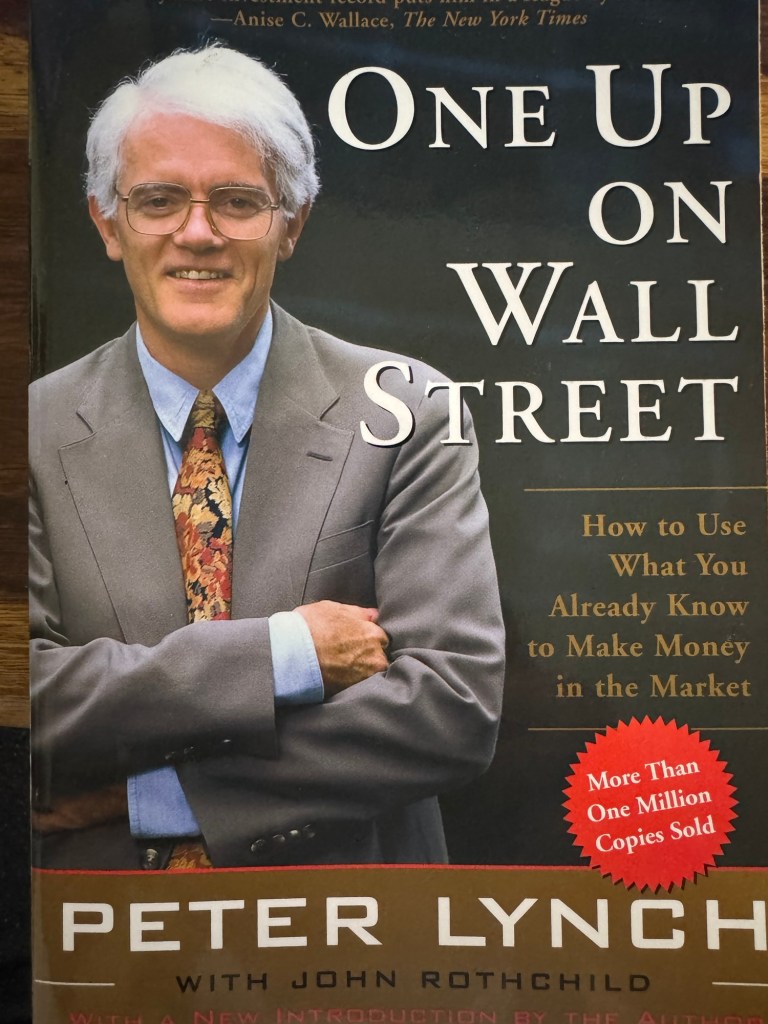
Great book to learn about strong fundamental investing especially if you are just about to start. Peter Lynch makes many assumptions and strong opinions which contradicts evidence. Not so good for experienced investment professionals.
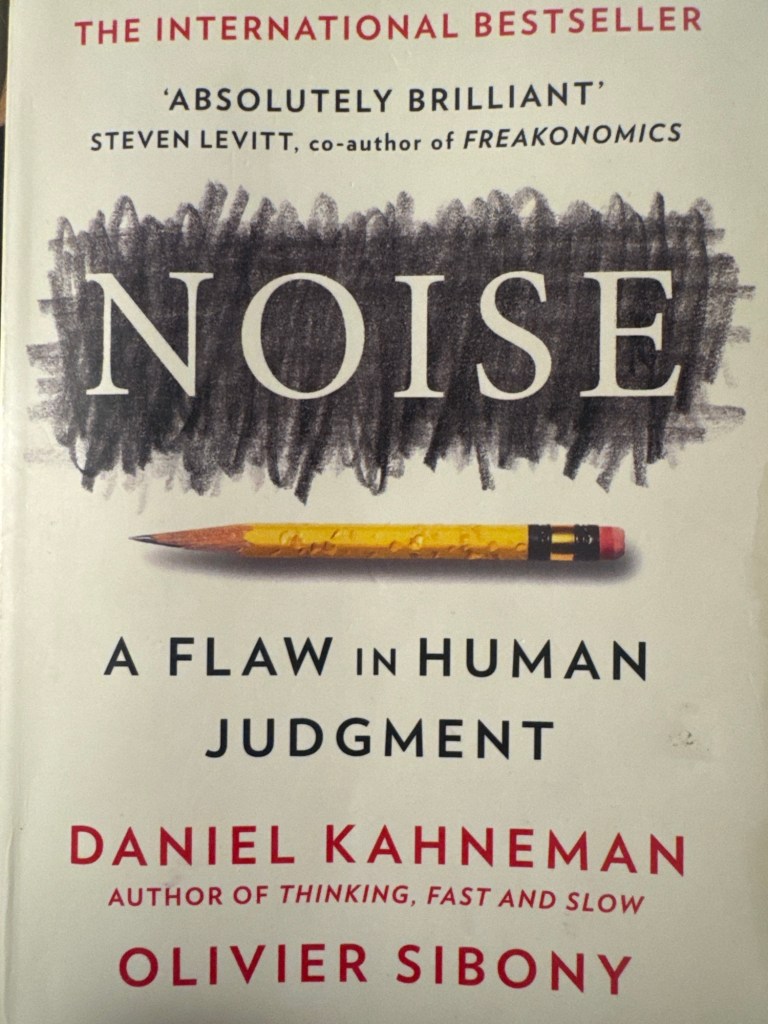
Amazing book, which masterfully differentiates between bias and noise – the source of human-led errors. Bias can be easily identified but has an explanatory charisma about it which noise lacks. In hindsight, we often easily identify bias as the source of a wrong decision but never find noise. Only a statistical view of the world helps us identify noise, which doesn’t come naturally as we prefer narratives and causal stories. I highly recommend reading this book to those like to systematically identify and reduce noise in their decision making.
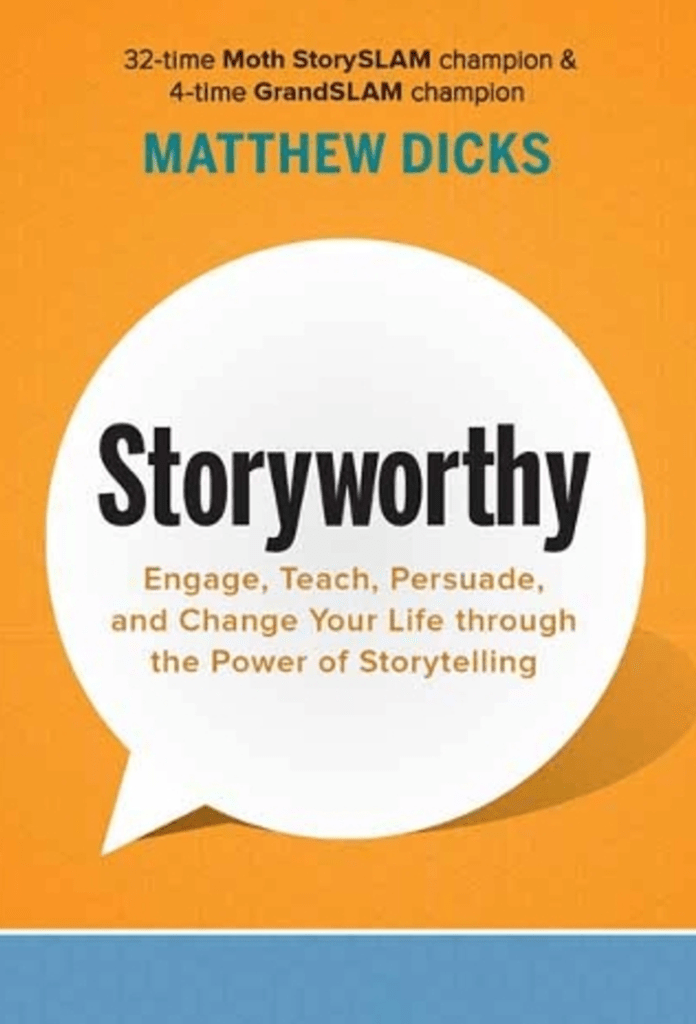
A good book on the power of storytelling, but I made a mistake of listening to the Audible version of this book. The author, Matthew, narrated the book, and I felt his tone was very passive. However, the book goes through the reasons why you should simplify everyday complexities – be it personal or work-related – into simple stories. Many of the examples in the book came across as made up, but stories have to be made up sometimes to tell a … story!
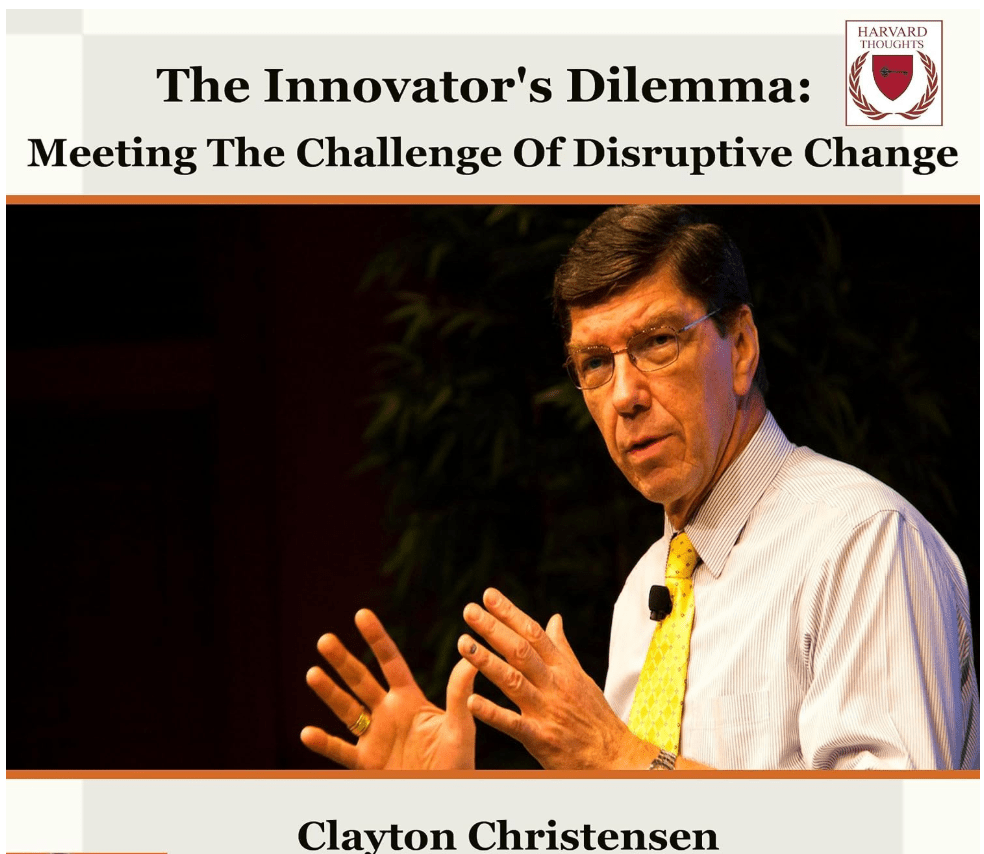
Amazing book. Apparently this was Steve Job’s favourite book. I had to read it twice to understand. Successful companies often fail because they focus on serving current high-margin customers with incremental improvements while ignoring cheap, low-end alternatives. Over time, these cheaper “disruptive innovations” improve enough to meet mainstream needs, unexpectedly rendering established market leaders obsolete. Many examples to help build a mental model.
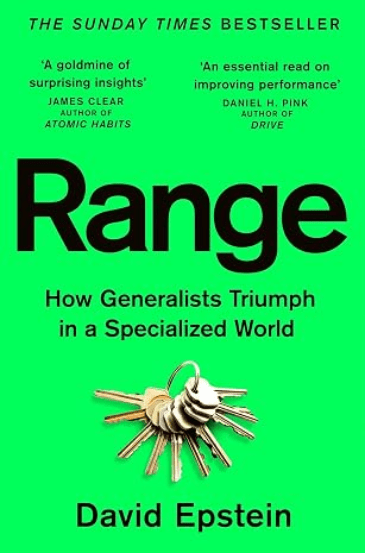
Came across this book while reading another book! I am an objective generalist, and this book lays out that the best people in many fields are usually generalists and not specialists. The book goes through many examples of how a meandering mind is a competitive advantage. The book is full of examples from various walks of life, including sports, arts, science, education, and more! Love the book. Apt for generalists out there.
 girish nair